
Feltner Sewer & Drain, a family-owned company founded in 1996, is outlining the common types of valves found in Wisconsin homes as colder weather approaches. Knowing which valve controls each water line helps households limit damage from a cracked water pipe, a problem distinct from underground issues such as a sewer line belly.
Residential plumbing relies on several types of valves, and each is built for a different job. Ball valves close with a quarter-turn lever, while gate valves use a round handle that must be turned several times. Globe valves are designed to throttle flow rather than only start or stop it.
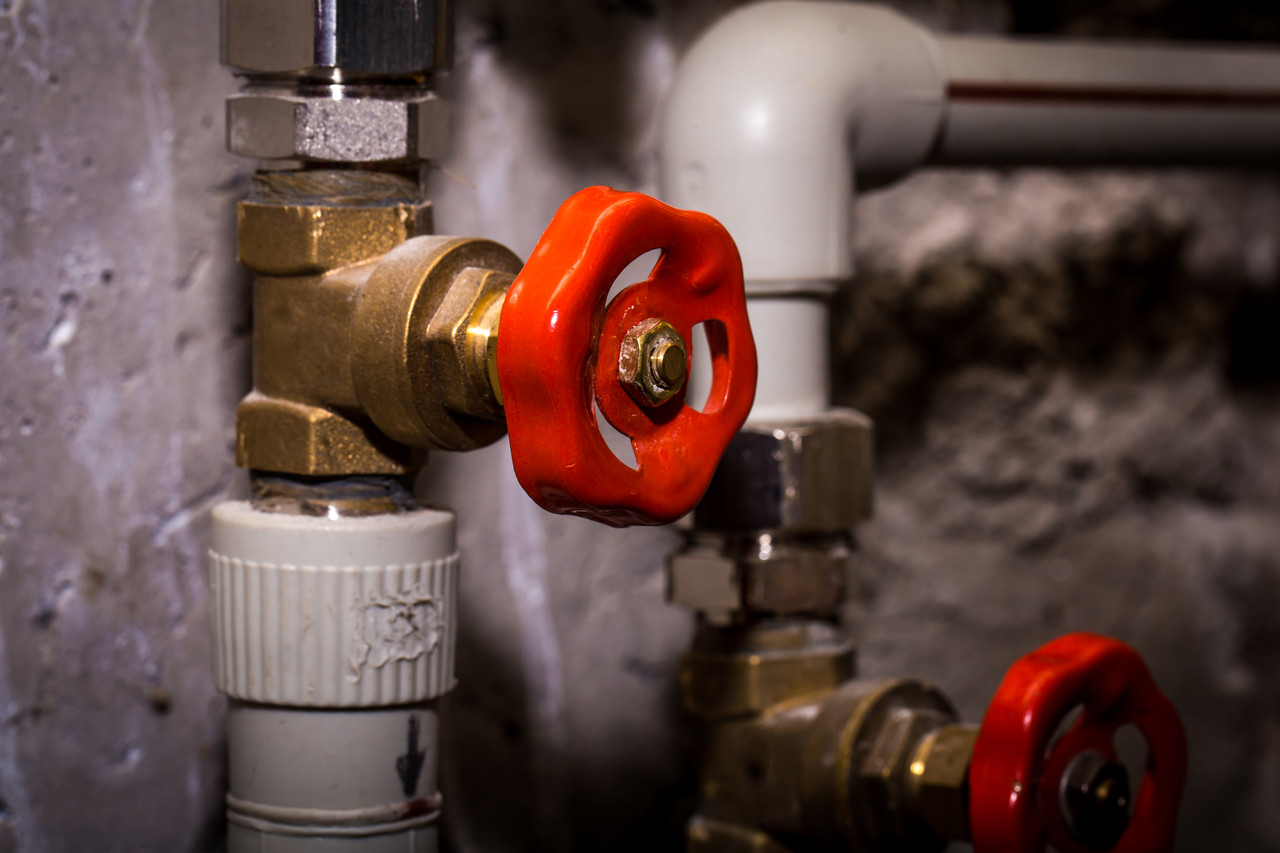
The main shutoff valve controls the water supply to an entire house. Older homes often have a gate valve at this location, while newer construction usually has a ball valve. The company notes that any valve left unused for long periods may seize, and that corrosion can interfere with operation.
Fixture stop valves sit beneath sinks and behind toilets so one fixture can be isolated without interrupting service elsewhere. Check valves allow water to move in only one direction, and some backflow prevention assemblies use them to protect drinking water from contamination. Butterfly valves are more common on large pipes and are seen less often in homes.
Cold weather raises the stakes because water expands as it freezes and can crack pipes. According to University of Illinois Extension, a crack as small as one-eighth of an inch can release up to 250 gallons of water a day. The organization also advises households to find the main shutoff valve and make sure everyone knows where it is.
If a pipe bursts, the Red Cross advises shutting off the main water valve immediately and turning off power to affected areas only if the breaker panel can be reached without entering standing water, or calling an electrician if safe access is unavailable.
The organization also recommends disconnecting and draining outdoor hoses before closing the indoor valves supplying outdoor faucets and leaving the outdoor faucets open to drain. Conventional hose bibs shut off water near the outdoor handle, while frost-free versions place the shutoff inside the heated building so the outer barrel can drain.
Feltner Sewer & Drain recommends that households label fixture valves and keep the area around the main shutoff clear of boxes or furniture. The company also suggests operating valves periodically, following manufacturer guidance, to reduce the risk of seizure. A plumber can demonstrate safe handling before anyone operates an unfamiliar control.
Valve condition matters more than age alone, according to the company. Some units last 20 to 25 years, while others fail earlier when hard water deposits keep washers or seats from sealing. Leaking at the stem, visible corrosion, a stiff handle, and flow that continues after closing are signs that warrant professional evaluation.
The company says replacement starts with matching the valve to the plumbing it serves. The new unit must be compatible with the existing pipe material and match the connection size; its pressure rating should suit the intended use. Handle clearance also matters because nearby framing or pipes can block access during an emergency.
According to the company, an automatic shutoff controls a home’s main supply, while individual valves isolate a single fixture during repairs. In multi-unit buildings, work on a shared supply usually requires building management to coordinate a temporary interruption for affected units. Understanding these types of valves helps residents know which control to operate and when to call a plumber.
Feltner Sewer & Drain has been family-owned and operated since 1996, when the Blanton family opened the company. The company provides plumbing, drain cleaning, sewer, septic, and gas line services to residential and commercial customers across southeastern Wisconsin. Its headquarters are in Trevor, Wisconsin, and its team handles valve inspections and replacements as part of that work.
###
For more information about Feltner's Sewer & Drain Services, contact the company here:
Feltner's Sewer & Drain Services
Steve Feltner
+14147717111
info@feltnersewerdraininc.com
Milwaukee, WI 53202, United States

